REAL ECONOMY & DISCIPLINE
Tangible assets do not remove risk
Infrastructure serves a practical purpose. Its economic resilience also depends on its users, operations and the quality of its preparation.
Starting with a real use
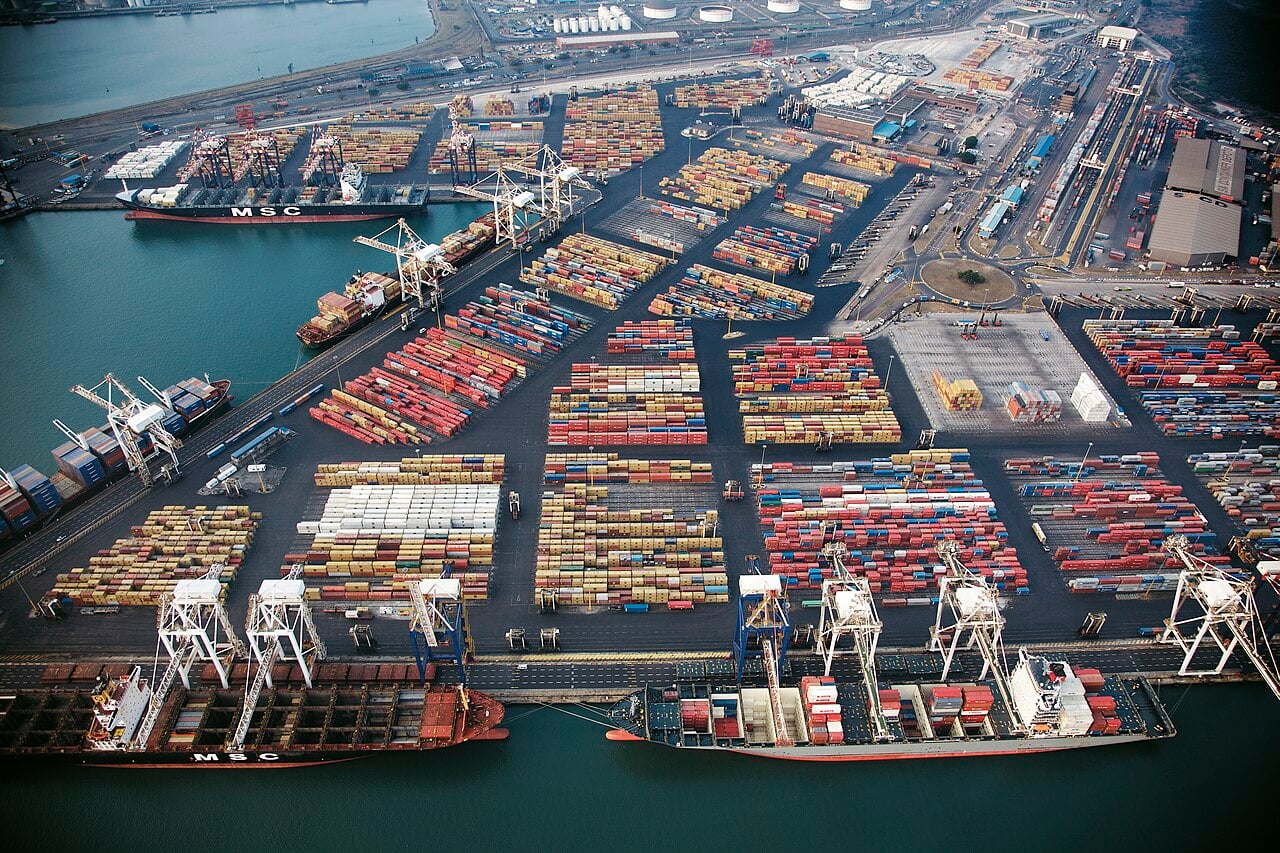
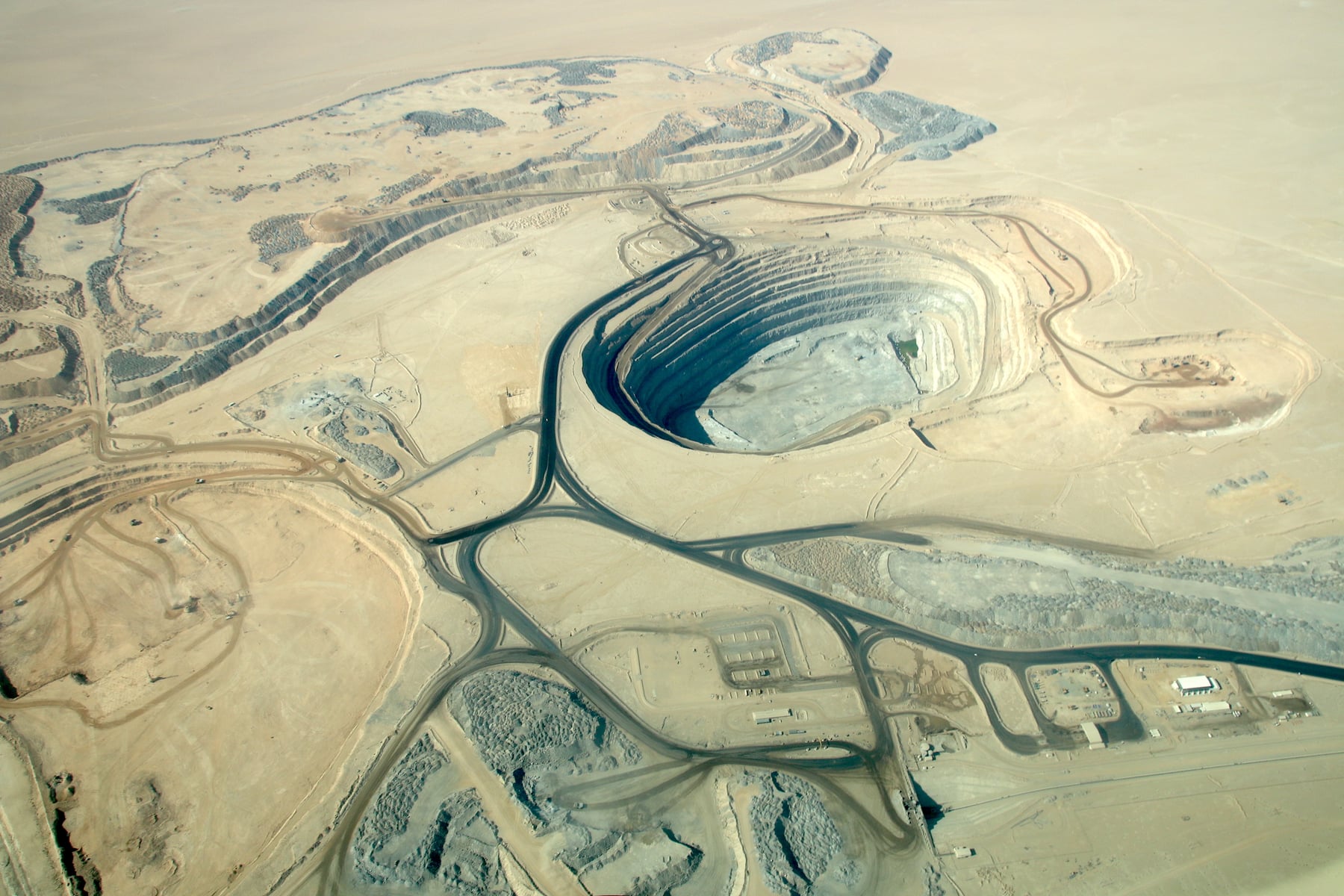
A power plant produces electricity, a logistics platform organises flows, and industrial equipment transforms materials. This connection to a practical use is an important starting point in our thinking about development. It allows us to ask whom a project will serve and what service it should provide.
An asset’s physical presence is not enough to establish its viability. A collective need may be real while the economic model remains incomplete. It is still necessary to understand who uses the service, who pays for it and under what conditions it can be provided sustainably.
Considering the whole chain
Preparation should examine several dimensions together: site conditions, studies, construction, operations, maintenance and demand. Equipment may be technically suitable while depending on a connection, an approval or a customer whose availability remains uncertain.
The World Bank’s PPP Reference Guide distinguishes, among others, site, construction, operating and demand risks. This perspective is a reminder to study an asset as a set of dependencies. It does not, by itself, establish a conclusion about any particular project.
Digital tools as a monitoring layer
A digital layer can support operational monitoring, information sharing or payment reconciliation. We see it as a tool serving a real activity. Its usefulness depends on data quality, actual use and the ability of teams to act on the deviations they identify.
A dashboard does not repair equipment, and a payment system does not create demand. Digital functions therefore need to be assessed alongside their own costs, security requirements and dependencies. They can improve processes without removing a project’s physical and commercial risks.
Testing the hypothesis
The objection to a preference for tangible assets is their cost and limited flexibility: a poor decision can commit resources for a long time. Our response is staged development, explicit assumptions, specialist reviews and conditions for proceeding. The real economy gives a project its purpose; development discipline should test its resilience.
FURTHER READING
World Bank · Identifying project risks ↗