LOCAL ENGAGEMENT & COOPERATION
From relationships to execution capability
Relationships open doors. Their project value then depends on assessing capabilities, agreeing commitments and tracking results.

Starting with the local context
Local relationships can help explain a need, identify a relevant contact and reveal a constraint that an initial reading of a project might miss. This knowledge becomes valuable when it improves the questions asked and the quality of information gathered.
A relationship in a country does not demonstrate an office, an available team or the ability to deliver a project. We believe corporate communication should distinguish these realities: a network describes relationships; operating capability must be verified for a specific scope.
Assessing before mobilising
As an opportunity advances, the work becomes more demanding. Relevant experience, available resources, verifiable references and the limits of a partner’s involvement need to be understood. A good relationship does not replace appropriate technical, commercial and compliance review.
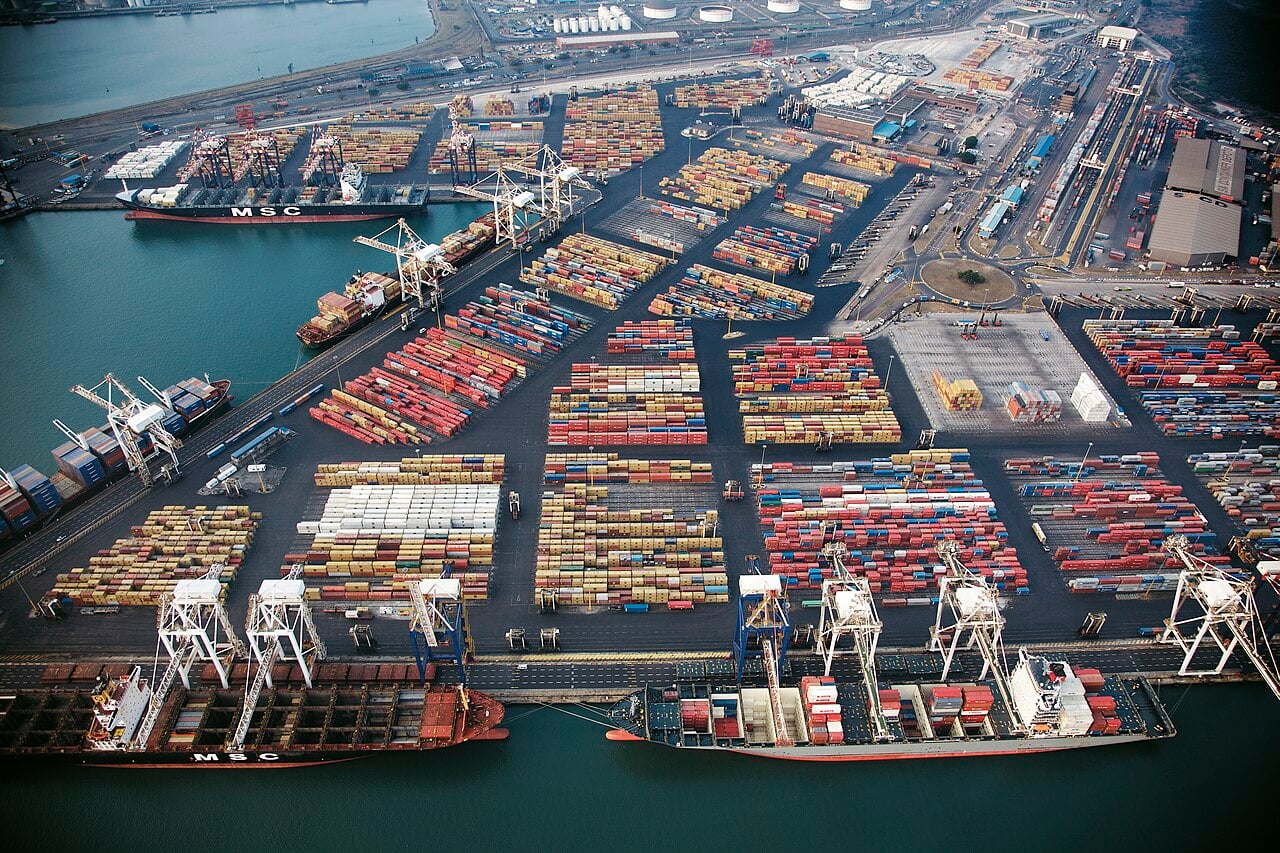
Local context also shapes the scope of services: logistics lead times, site access, recruitment, maintenance, safety and community needs. These issues should be addressed with qualified stakeholders and reflected in the project schedule and responsibilities.
Turning trust into commitments
Trust makes discussions easier. To support delivery, it needs understandable commitments: what will be delivered, by whom, by when, against which criteria and with what process for addressing deviations. Meeting records and regular follow-up help preserve a shared record of decisions.
Local development deserves the same precision. Local supplier participation can be considered when work packages are designed, with accessible and transparent requirements. Capability gaps and participation conditions should be discussed before benefits are promised.
Building capability opportunity by opportunity
The objection is straightforward: a broad network can suggest more capacity than can actually be mobilised. Discipline means describing the network honestly, then demonstrating capability for each opportunity. For Subsaharan, the quality of cooperation rests on clear contributions and documented progress.